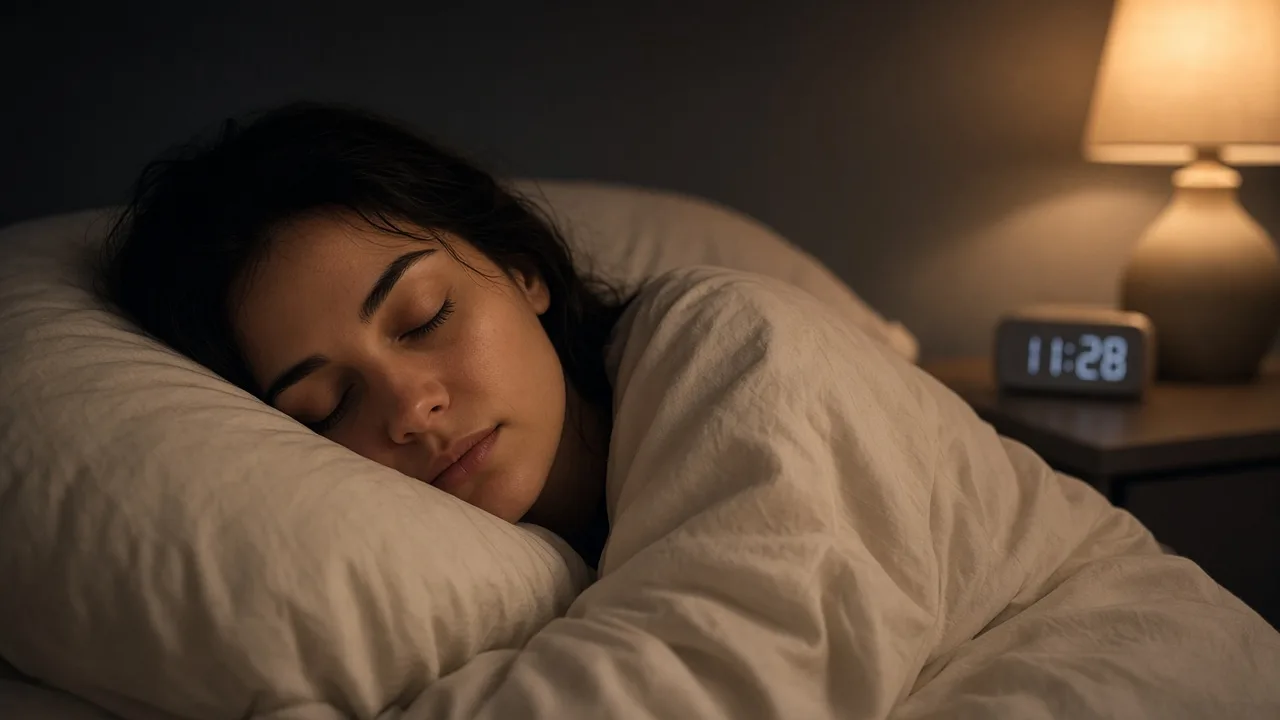
A two-way street
Poor sleep makes it harder to manage emotions, concentrate and cope with stress. In turn, anxiety and low mood disturb sleep. Improving one often helps the other.
Signs that sleep needs attention
Lying awake for long periods, waking in the early hours, or feeling unrefreshed for several weeks are worth noticing — particularly if daytime functioning is affected.
Habits that support sleep
Regular sleep and wake times, daylight in the morning, limiting caffeine later in the day and keeping screens out of bed are simple measures that help many people.
When to ask for help
If sleep does not improve with reasonable changes, or is accompanied by low mood, anxiety or loud snoring and daytime sleepiness, an assessment can identify what is contributing.
This article is general information for education. It is not medical advice and cannot replace an assessment by a qualified professional.